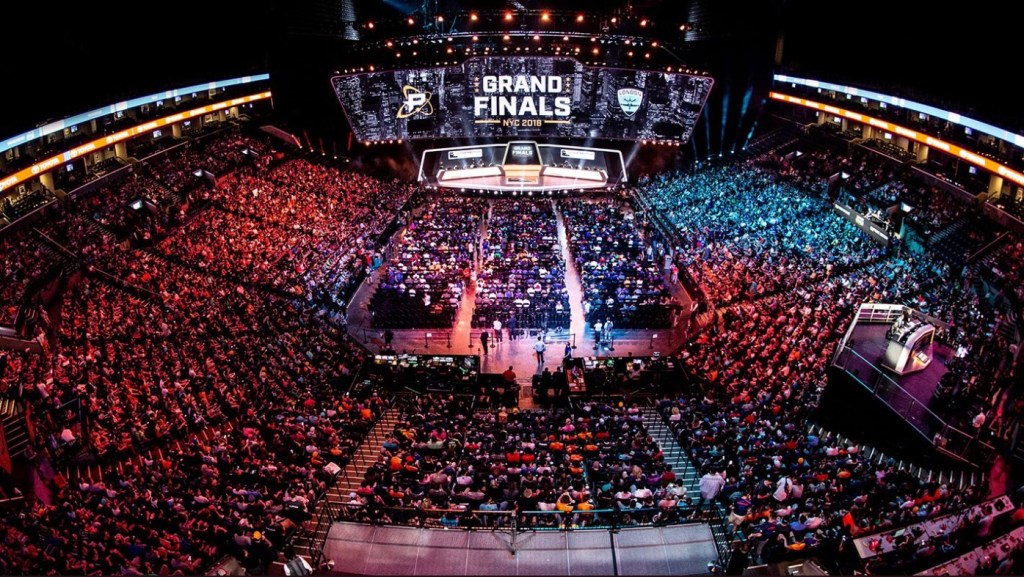
Looking at the future of the media and entertainment industry, everyone seems fixated on the ongoing streaming wars between media giants such as Netflix, Hulu, and Disney, as well as the highly anticipated arrival of 5G and its promise of faster data transfer speeds. But there is another entertainment phenomenon seems poised for incredible growth within the coming years – eSports.
eSports describes the world of competitive video gaming. Players all over the world compete in different leagues and teams by playing various household games such as, League of Legends, Fortnite, Dota 2, Overwatch, and Rocket League to name a few. These professional gaming teams compete in world class venues such as the Staples Center, Barclays Center, and Madison Square Garden, as well as in new eSports arenas being built specifically for gaming events. And regardless of whether you consider eSports a “real” sport or if you don’t think eSports athletes are “real” athletes, the numbers show that the eSports market is booming and shows no signs of slowing down.
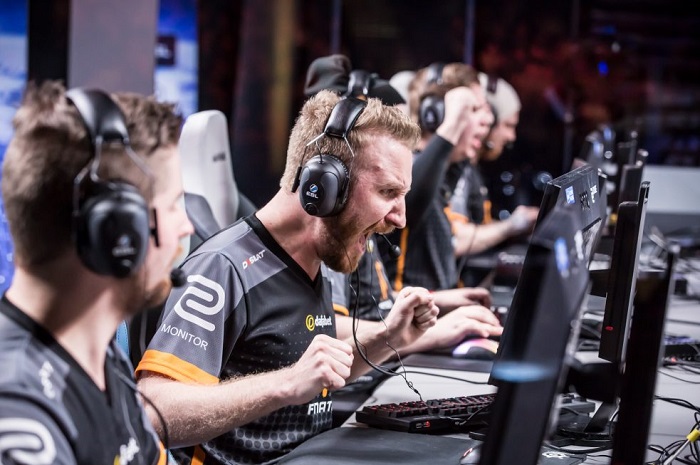
According to CNN, the global eSports revenue reached $906 million in 2018 and is expected to reach $1.5 billion in 2020. Over 380 million people watched eSports in 2018, and Newzoo reports that viewership is growing steadily at 14%. So, by 2021, the total eSports viewership could top 505 million people. These numbers sound massive, but how do they compare to traditional sports? Well, looking at total viewership in 2018 in the United States, the NBA had 63 million viewers and the MLB had 79 million, while eSports had 84 million viewers. Only the NFL with 141 million viewers topped eSports in 2018. But now, let’s look at comparing global viewership of specific blockbuster sporting events such as the NBA Finals and the Super Bowl to the largest eSports event, the League of Legends Worlds. Pulling in numbers from 2018, ESPN shows that the NBA Finals had an average of 17.7 million unique viewers, while the Super Bowl had 98 million viewers. But, the 2018 League of Legends Worlds had almost 100 million unique viewers, topping all viewership for sporting events that year except the FIFA World Cup. So how is eSports so huge and how does it continue to grow?

Well, eSports continues to grow in viewership predominately because of its accessibility through free streaming sites such as Twitch, YouTube, Mixer, as well as traditional broadcasters like ESPN and TNT. And because the players and teams are not tied to specific cities or regions, there is a more global appeal. Additionally, the professional gaming landscape still remains largely decentralized with no real governing powers, so fans feel connected to their favorite players and teams in a way that the eSports community feels truly authentic. Ultimately, eSports is clearly a major force to be reckoned with and presents a serious threat coming after a large share of the media and entertainment pie.
 eSports